Handlettering: A Delicate Script Font for Crafters and Product Designers
As a small shop owner and printable product creator, I’m always on the lookout for fonts that bring both charm and practicality to my designs. That’s why I keep coming back to Handlettering—a sweet and delicate handwritten font that adds a personal, romantic touch to any project. Whether I’m designing wedding invitations, product labels, or seasonal SVGs, this script font never fails to elevate the look and feel of my work.
Why Handlettering Stands Out in Craft and Product Design
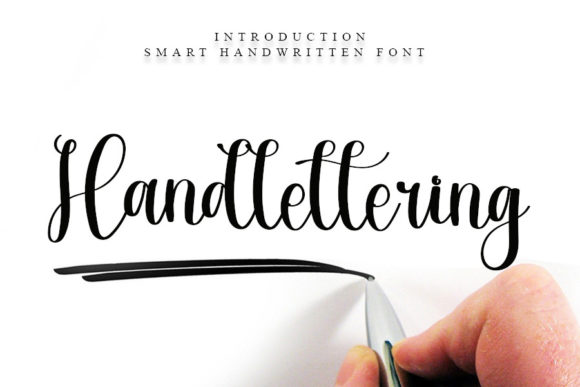
What makes Handlettering so special is its dainty, joyful appearance. It’s not overly stylized like some script fonts that sacrifice readability for flair. Instead, it strikes a perfect balance between elegance and clarity, making it ideal for a wide range of physical and digital products. From boutique tags to greeting cards, this font adds a human touch that customers instantly connect with.
As a crafter, I know how important it is to use fonts that are not only beautiful but also functional. Handlettering delivers on both fronts. Its flowing lines and soft curves give it a whimsical yet professional look, which works especially well in wedding stationery, planner pages, and personalized gifts.
How I Use Handlettering in My Handmade Business
One of my favorite uses for Handlettering is in custom wedding signs and welcome boards. The font’s romantic feel pairs beautifully with floral designs and soft color palettes. It’s also great for name tags on favors or seating charts—those little details that make an event feel truly special.
When I design digital printables like wall art or quote cards, I often use Handlettering for the main text. It’s easy to read even at smaller sizes, which is a big plus when designing for Cricut or Silhouette cutting machines. For product packaging, like candle labels or soap tags, this font helps my brand feel cohesive and polished.
Pairing Handlettering with Other Fonts for Visual Impact
One of the best things about Handlettering is how well it pairs with other typefaces. I often combine it with a clean sans serif like Montserrat or Lato to create contrast and balance in my designs. This is especially useful when creating product labels or social media graphics where clarity and visual interest are both important.
For more rustic or farmhouse-style projects, I’ll pair Handlettering with a simple serif font or a bold handwritten display font. This creates a layered, handcrafted look that feels intentional without being overwhelming. It’s a go-to combo for holiday packaging, boutique tags, and seasonal SVG designs.
Readability and Practical Use in Real Projects
While Handlettering is a script font, it’s surprisingly readable. I’ve used it for short phrases, names, titles, and decorative elements in both print and digital formats. It’s not ideal for long paragraphs, but that’s true of most script fonts. What matters is that it shines in display use—like on mugs, tote bags, or tee shirts—where legibility and charm are both key.
When using this font on small stickers or product tags, I always preview the design at actual size to ensure the strokes aren’t too thin for the material or machine I’m using. For cutting machines, I sometimes adjust the spacing or use a bolder style if available to maintain crisp lines.
Commercial Use and Licensing Made Easy
As a small business owner selling physical products and digital downloads, I always check font licensing before using them in my work. Handlettering comes with a commercial license, which means I can confidently use it in client work, merchandise, and printables without worrying about legal issues. This is a huge relief, especially when creating SVG designs or templates for Etsy shops.
Design Features That Make a Difference
What really sets Handlettering apart from other script fonts are the thoughtful design details. It includes alternate characters, ligatures, and swashes that let me customize each design. Whether I want a more formal look for a wedding invitation or a playful style for a birthday card, I can tweak the font to suit the occasion.
The font also supports multiple file formats—like OTF, TTF, and WOFF—which makes it versatile for both print and web use. And with multilingual support, it’s a great fit for international sellers or those designing for a global audience.
How Handlettering Enhances Brand Identity
Consistency is key when building a recognizable brand, and typography plays a big role in that. I use Handlettering across product packaging, social media graphics, and website headers to maintain a cohesive look. Customers start to associate that soft, handwritten style with my brand, which builds trust and familiarity over time.
It’s also a font that feels personal. When someone sees a tag or label made with Handlettering, it feels like it was made just for them. That emotional appeal is powerful in handmade and boutique businesses where connection matters just as much as quality.